
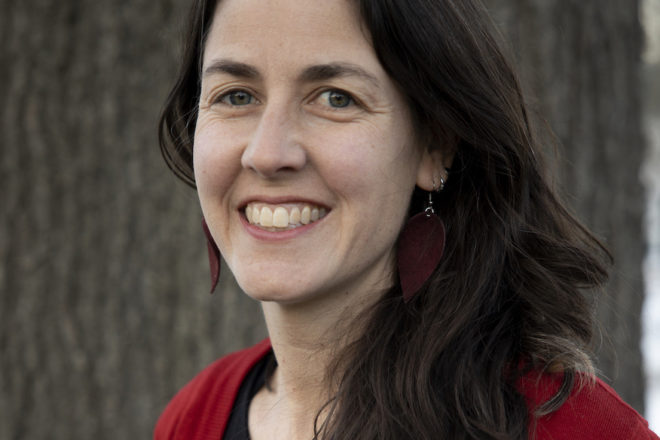
Coburn Dukehart's work for the Wisconsin core for Investigative Journalism takes her to fowl runs and the entrance line of protests, up close with younger topics, and up within the air to catch the scope of voting lines in April 2020.
You've probably considered Tad Dukehart's identify in the pages of the Peninsula Pulse, most above all for his photographs of fireplace calls and county events. however before he retired to Ephraim and began shooting the county's background, he spent forty years recording heritage in Baltimore and Washington, D.C. — from Martin Luther King Jr.'s "I even have a Dream Speech," to Spiro Agnew's resignation handle, to the Million Man March. He bore witness to crucial moments in our nation's heritage and sometimes took along his daughter, Coburn Dukehart, who grew up with an pastime in capturing and sharing historical past as smartly.
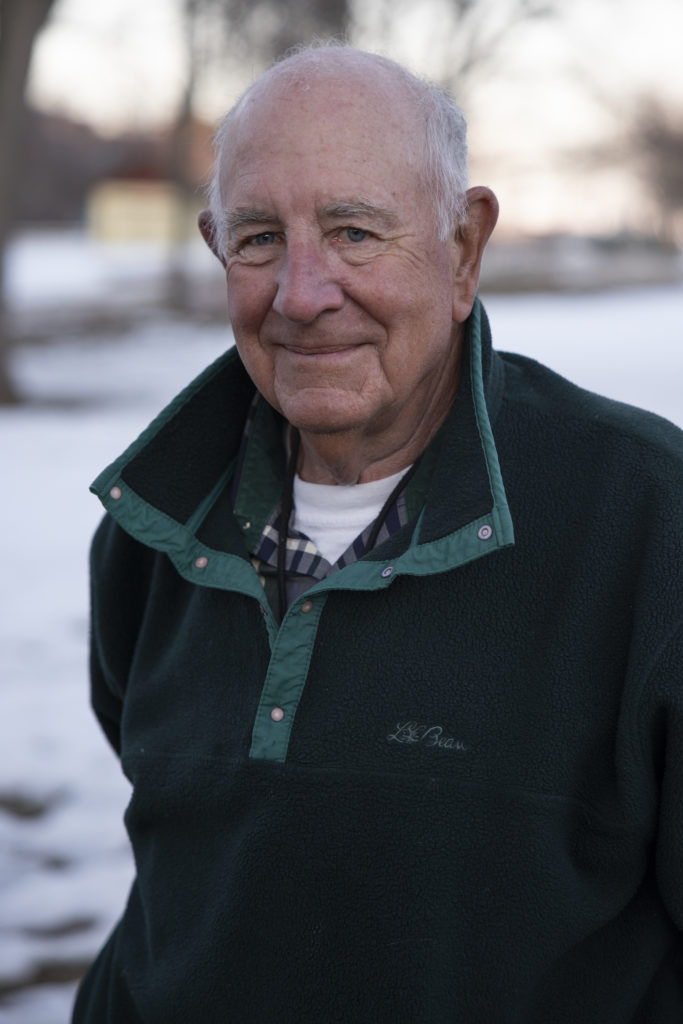 Tad Dukehart's lens is now more certain to Door County. He's the professional photographer of native fireplace departments, but he additionally captures the peninsula's picturesque landscapes, cultural scene and the ask yourself of children in a sweet store.
 Coburn's profession has taken her from enhancing picture galleries for WashingtonPost.com, to working as the picture and multimedia editor at national Public Radio, to fitting a senior editor at country wide Geographic. She's now the digital and multimedia director for the Madison-based mostly Wisconsin middle for Journalism, the place she edits photos, manages the web site and goes out into the box to trap the information.
together, they are going to sift via images submissions to find an "elevated second," as Coburn places it, as co-judges for the Hal Prize, the annual literature and photography contest of the Peninsula Pulse.
We met by the use of Zoom to chat about their careers, what they believe to be a fine graphic and why introverts can regularly make the optimum photographers. The interview has been edited for area and readability.
Sally Collins (SC): Tad, you witnessed some fairly wonderful history during your career in Washington. can you inform me a bit bit greater about that?
Tad Dukehart (TD): i was rather young when I received a weekend photographer's job at a television station in Baltimore. We shot black-and-white newsreels the usage of second World war surplus cameras. I lined a lot of the civil-rights period there. I filmed the March on Washington, the place Martin Luther King Jr. made his "I even have a Dream Speech," and it became years before i realized what I had considered.
After the Million Man March in 1995 in Washington, D.C., where a million African American men confirmed up to the Capitol to display what they could do for the nation, i was on the base of the Capitol, and that i regarded and mirrored and pointed out, "You recognize what? I basically have come a protracted method. From overlaying Martin Luther King Jr.'s speech at the other end of the mall to these days, with a million men showing up."
SC: were you taking pictures all through this time, or have been you doing newsreel?
TD: I did newsreel. I didn't actually decide on up a nevertheless digital camera unless we retired to Ephraim. My factor is, I take photographs of people. My foremost pleasure is to help nonprofits with pictures. I started with the Ephraim fire branch, taking images for them, and then it morphed into taking pictures for Sister Bay and Baileys Harbor and any category of main adventure up right here.
They may no longer feel very essential at the time, but what's going on is images from seven, eight, 9 years ago turn into more tremendous.
SC: Coburn, when did you first decide upon up a digicam?
Coburn Dukehart (CD): It wasn't except after I graduated from faculty [Coburn earned a journalism degree at UW-Madison and a master's in photojournalism at Missouri]. basically, Tad had an old black-and-white film digicam, a Nikon. I took some darkroom courses at a community artwork center near D.C.; then Tad brought me to a newspaper photographer, and he or she took me to work with her a pair instances and let me shadow her.
SC: What drew you to photojournalism?
CD: I don't really like being bored. Most people who get into photojournalism like the range, and like talking to different people, and gaining knowledge of new things all the time, and getting out into the world. I see my job and journalism as telling stories as adversarial to taking images.
SC: What are you trying to find in a superb photo?
CD: My aesthetics are a a lot more human-established, second-established method to visuals: attempting to find the story and the feeling a photograph might create, as antagonistic to some thing eye-catching for the sake of being captivating.
TD: I believe in Door County, americans tend to submit images of sunsets and Cave factor again and again and over once more. Yeah, they're desirable, but I don't see the range.
CD: It's effortless to take a cliché image or go the place each person else has long past. but when you go someplace diverse or trade your point of view — you get down low, you stand up excessive — I suppose you are going to shock people through displaying them something they might no longer be in a position to see by means of themselves.
SC: i do know rather a number of photographers who're fairly shy, however whatever thing occurs after they get at the back of the camera. have you ever seen that as smartly?
CD: That's real for me. Many photojournalists are very shy, quiet americans, and that i believe those are the sorts of people who are likely to get basically meaningful photos because they don't make it about themselves and may disappear into the history.
Tad has an talents taking photographs of individuals on account of his career. He's so relaxed interacting with americans; he's a people adult. beginning photographers are likely to stay away from individuals, and it's tough to take a significant photo of individuals if you don't get near them. Introduce yourself and say, "i noticed you're doing this component. am i able to take your picture?" Most people will say yes.
SC: what's your tips for those who are on account that submitting or taking photographs?
CD: Do some self-enhancing. Be inclined to display the photos to somebody else earlier than submitting. I think there is a standard misperception when individuals take an image that in the event that they labored in fact tough to take it, it have to be definitely good.
And there are three points that may make a pretty good photo. One is mild. The 2nd is composition, so it will be aesthetically fascinating, and then second: Is anything occurring in the frame it really is significant? Any successful image is going to have all three of these facets.
publish to the Hal Prize
The Hal Prize, the annual literature and photography prize of the Peninsula Pulse and Write On, Door County, has a brand new cut-off date, new layout and some exciting new explanations to publish in 2021.
This 12 months's winners might be published both within the Peninsula Pulse and in the new 8142 review, a group of stories, images and poetry to be released in November. Submissions are open via Sept. 15 in 4 categories: fiction, nonfiction, poetry and photography.
Prizes include money prizes of $250, $a hundred and $50 for the suitable three entries in every category and a Hal Prize mug from Clay Bay Pottery for first place. gain knowledge of more and meet this 12 months's judges online.


Tidak ada komentar:
Posting Komentar